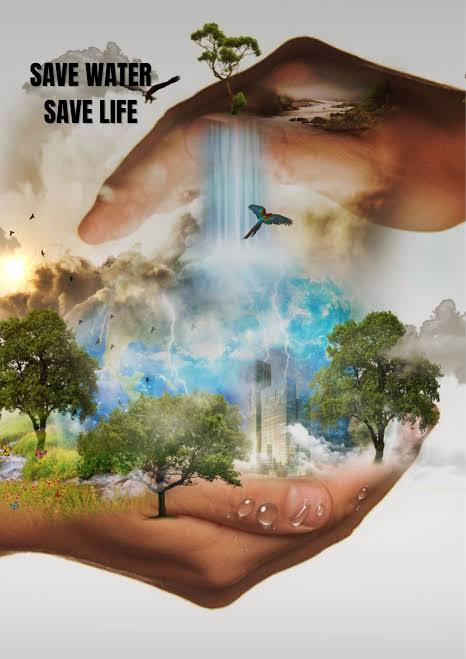
Save Water, Save Life – Introduction
Water is one of the most valuable natural resources on Earth and is essential for the survival of all living beings. Every human, animal, and plant depends on clean water for drinking, farming, hygiene, and maintaining a healthy environment. Although about 71% of the Earth’s surface is covered with water, only a small percentage is fresh and suitable for human use. Due to increasing population, pollution, climate change, and the overuse of water resources, many regions around the world are facing serious water shortages. This makes water conservation more important than ever.
The slogan “Save Water, Save Life” reminds us that protecting water means protecting the future of humanity and nature. Simple habits such as turning off taps when not in use, repairing leaks, harvesting rainwater, and using water wisely can make a significant difference. Governments, industries, and individuals all have a responsibility to conserve water and prevent its wastage. Educating people about the importance of water conservation can help create a more sustainable future. Every drop of water is precious, and by using it responsibly today, we can ensure that future generations have access to this essential resource. Saving water is not just a choice—it is our duty and a necessity for life.
What Does Save Water, Save Life Mean?
The phrase “Save Water, Save Life” means that conserving water is essential for protecting all forms of life on Earth. Water is a basic necessity for humans, animals, plants, and ecosystems. Without enough clean water, people cannot survive, crops cannot grow, industries cannot function, and nature cannot thrive. The slogan reminds us that every drop of water is valuable and should not be wasted.
Saving water involves using it wisely, preventing pollution, and adopting habits that reduce unnecessary consumption. Simple actions such as turning off taps when not in use, repairing leaking pipes, using water-efficient appliances, and collecting rainwater can significantly reduce water wastage. These small efforts, when practiced by millions of people, help conserve freshwater resources for future generations.
The message also highlights the growing challenges of water scarcity caused by population growth, climate change, deforestation, and excessive use of groundwater. As clean water becomes increasingly limited, it is our responsibility to protect and manage this precious resource sustainably.
In short, “Save Water, Save Life” is not just a slogan—it is a call to action. By conserving water today, we ensure a healthier environment, stronger agriculture, better public health, and a secure future for generations to come. Every individual can contribute, and every drop saved makes a meaningful difference.
Importance of Water in Daily Life
Water is one of the most essential resources for human life and plays a vital role in our daily activities. Every living organism depends on water for survival, making it one of the most valuable natural resources on Earth. From drinking and cooking to cleaning and farming, water is involved in almost every aspect of our lives. It supports our health by regulating body temperature, aiding digestion, transporting nutrients, and removing waste from the body. A healthy person cannot survive for long without an adequate supply of clean water.
In households, water is used for bathing, washing clothes, cleaning utensils, and maintaining hygiene. In agriculture, it is essential for irrigating crops and raising livestock, ensuring a steady supply of food. Industries also rely on water for manufacturing, cooling machinery, and producing electricity. In addition, rivers, lakes, and oceans support aquatic life, maintain biodiversity, and help regulate the Earth’s climate.
Despite its importance, freshwater resources are limited and are being threatened by pollution, overuse, and climate change. Therefore, it is essential to use water responsibly and avoid unnecessary wastage. Conserving water not only protects the environment but also ensures that future generations have access to this life-sustaining resource. Every individual has a role to play in preserving water through simple daily habits and responsible water management.
Global Water Crisis
The global water crisis refers to the growing shortage of clean, safe, and accessible freshwater across the world. Although water covers about 71% of the Earth’s surface, only around 2.5% is freshwater, and an even smaller portion is readily available for human use. Rapid population growth, urbanization, climate change, pollution, and excessive use of groundwater have placed enormous pressure on the world’s freshwater resources. As a result, millions of people face water shortages every day.
Many regions experience severe droughts that reduce water supplies for drinking, agriculture, and industry. At the same time, rivers, lakes, and groundwater are becoming polluted by industrial waste, agricultural chemicals, and untreated sewage, making clean water difficult to access. This lack of safe water contributes to poor sanitation, the spread of diseases, food insecurity, and economic challenges, especially in developing countries.
The global water crisis also threatens ecosystems and wildlife that depend on healthy rivers, lakes, and wetlands. If water resources continue to be mismanaged, future generations may face even greater shortages.
Addressing the global water crisis requires collective action from governments, industries, communities, and individuals. Water conservation, rainwater harvesting, wastewater treatment, pollution control, and sustainable water management are essential solutions. By using water wisely and protecting freshwater sources, we can help ensure that clean water remains available for everyone and build a more sustainable future.
Benefits of Saving Water
Saving water is essential for protecting the environment, supporting economic growth, and ensuring a sustainable future. Water is a limited natural resource, and conserving it helps meet the needs of present and future generations. By using water wisely, individuals and communities can reduce waste, lower utility costs, and protect valuable freshwater sources.
One of the greatest benefits of saving water is the protection of the environment. Conserving water helps maintain healthy rivers, lakes, wetlands, and groundwater supplies, which are home to countless plants and animals. It also reduces the energy required to pump, treat, and distribute water, leading to lower greenhouse gas emissions and a smaller carbon footprint.
Water conservation also benefits agriculture by ensuring a reliable supply of water for irrigation, which helps increase crop production and food security. Industries can improve efficiency and reduce operating costs by adopting water-saving technologies. At the household level, simple practices such as fixing leaks, using water-efficient appliances, and turning off taps when not in use can significantly reduce water bills.
Furthermore, saving water helps communities prepare for droughts and water shortages, improving resilience during times of crisis. It also ensures that clean drinking water remains available for everyone. Ultimately, every drop of water saved contributes to a healthier environment, stronger economy, and better quality of life. Conserving water is a simple yet powerful step toward creating a sustainable and prosperous future.
Water Conservation at Home
Water conservation at home is one of the easiest and most effective ways to protect this valuable natural resource. Small changes in daily habits can significantly reduce water wastage and help ensure that clean water remains available for future generations. Every family can contribute by using water wisely and adopting simple water-saving practices.
One of the most effective methods is to repair leaking taps, pipes, and toilets as soon as possible, as even a small leak can waste hundreds of liters of water over time. Turning off the tap while brushing teeth, shaving, or washing dishes also helps save a considerable amount of water. Using a bucket instead of a shower or hose for bathing and washing vehicles can further reduce water consumption.
Installing water-efficient fixtures such as low-flow showerheads, dual-flush toilets, and water-saving faucets helps minimize unnecessary water use. Rainwater harvesting is another excellent practice, allowing households to collect and store rainwater for gardening, cleaning, and other non-drinking purposes. Reusing water from washing fruits, vegetables, or clothes for watering plants is another simple way to conserve water.
Educating family members, especially children, about the importance of saving water encourages lifelong conservation habits. By adopting these simple practices, households can lower water bills, reduce pressure on local water supplies, and protect the environment. Every drop saved at home contributes to a healthier planet and a more sustainable future.
Water Conservation in Schools
Water conservation in schools is essential for creating awareness and encouraging responsible water use among students. Schools play an important role in shaping the habits and attitudes of young people, making them ideal places to promote water-saving practices. By teaching students the value of water and involving them in conservation activities, schools can help build a generation that respects and protects natural resources.
Simple measures such as repairing leaking taps, installing water-efficient faucets, and regularly checking plumbing systems can prevent unnecessary water wastage. Schools can also encourage students to turn off taps properly after use and avoid wasting water while washing their hands or drinking. Collecting rainwater through rainwater harvesting systems can provide water for gardening, cleaning, and other non-drinking purposes.
Teachers can organize awareness campaigns, poster competitions, seminars, and environmental clubs to educate students about the importance of water conservation. Practical activities, such as monitoring daily water usage and planting trees, help students understand the impact of their actions. Schools can also celebrate World Water Day to spread awareness about the global importance of conserving water.
By adopting these practices, schools not only reduce water consumption and save costs but also inspire students to carry water-saving habits into their homes and communities. Water conservation in schools is a small step that can lead to a significant positive impact on society and the environment.
World Water Day
World Water Day is observed every year on 22 March to raise awareness about the importance of freshwater and the need to conserve water resources. It was established by the United Nations (UN) in 1993 to encourage people, governments, and organizations to take action in addressing global water challenges. Each year, World Water Day focuses on a specific theme related to water, such as groundwater, water and climate change, or water for peace, highlighting different aspects of water conservation and sustainable management.
The main objective of World Water Day is to remind people that clean and safe water is essential for life, health, agriculture, industry, and the environment. Millions of people around the world still lack access to safe drinking water and proper sanitation. Rapid population growth, pollution, climate change, and excessive water consumption have increased the risk of water shortages in many regions.
On this day, schools, colleges, communities, businesses, and environmental organizations organize awareness campaigns, seminars, tree plantation drives, clean-up programs, and water-saving activities. These events encourage people to adopt simple habits such as fixing leaks, turning off taps when not in use, harvesting rainwater, and preventing water pollution.
World Water Day serves as a global reminder that every drop of water is precious. By working together to conserve and protect water resources, we can ensure a healthier environment, improve public health, and provide clean water for present and future generations.